



Sequences of Activities
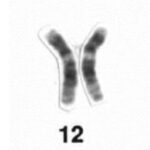
From Genes to Us
In this sequence of 4 activities, use what you know about cells to extract DNA from strawberries. Learn how genes in DNA are inherited and how they determine physical traits of an organism.
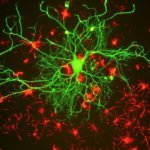
The Nervous System
In 3 activities: (1) Learn how cells in the brain process information. (2) Learn about different parts of the brain. (3) Perform an experiment on your own brain.
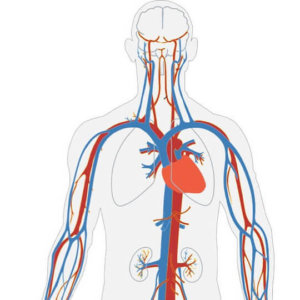
Body Systems
In a sequence of 4 activities, first learn about important body organs found in both frogs and humans. Then, take a deeper look at the eye, lungs, and heart.
Changing Populations
Three activities explore why populations of organisms grow or shrink and become more diverse.
Weather
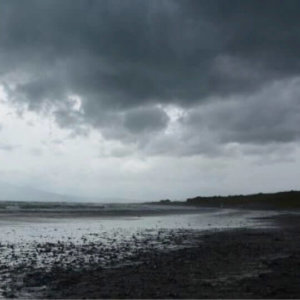
In this sequence of 3 activities, learn how weather is affected by: (1) temperature and moisture, (2) geology, and (3) barometric pressure.
Celestial Objects
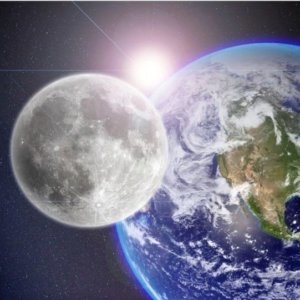
In this sequence: (1) Explore our solar system. (2) Examine phases of the moon. (3) Study stars beyond our sun.
Electricity & Circuits
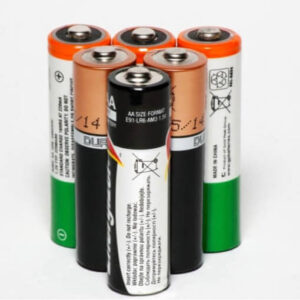
In 3 activities: (1) Review electrical conductors and insulators. (2) Learn the difference between series and parallel circuits. (3) Explore how electricity and magnetism are related.

Codes & Coding
In this sequence: (1) Learn the “language” of computers (binary code). (2) Learn how computers make decisions. (3) Find out how information is protected (kept secret) on the internet and then make your own secret messages.
— From Genes to Us —

1. Cells and Organelles
Where is DNA located in a cell? Where are proteins made? Refresh your memory by building models of animal and plant cells.

2. DNA
Learn the steps for extracting DNA and why we do each one!

3. Phenotypes and Genotypes
Inheritance is a process in which genetic information is passed down from one generation to the next; that is, from parent to offspring. Investigate how family traits are passed down and expressed as phenotypes.

4. Genes to Proteins
Learn how to crack the code in DNA! Learn how the code in DNA is used to make us and try to read the DNA code of a simple face.
— Body Systems —

1. Frog Anatomy
Learn about the anatomy of a frog by completing a virtual dissection. See how they compare to people and explore different organ systems.

2. Lungs
Learn about the basic functions of the lungs! Measure vital and tidal lung capacities.

3. Our Hearts
Learn about different heart structures and how the heart works, then make a model of the heart.

4. Eye Anatomy
Learn about different structures of the eye and how they help organisms see by conducting a virtual cow eye dissection. Then experiment with your own eyes by building a pinhole camera!
Extra: STEM Chat -Engineering Organs
Engineers build many things, even artificial lungs! In this video scientist Cortney chats with biomedical engineer Jonathan about his work with building and testing synthetic organs.
— The Nervous System —

1. Neurons
Learn about your nervous system, then build a model using dominoes to understand how nerve cells pass messages to each other.

2. The Mammalian Brain
Learn about the different parts of the mammalian brain and their functions. Create your own model of the human brain.

3. Experiment with Your Brain
Explore how your brain encodes information (learns) first through a video, then a personal experiment.
Extra: Ask a Scientist – The Human Brain
In this video, Juliet (a student from MA) chats with Jennifer (SfS Instructor & neuroscientist from MA) about the human brain!
— Changing Populations —

1. Population Changes
Learn about how populations change over time. Play a game in which you simulate population changes in snakes and hawks in a National Park.

2. Invasive Species
What makes a species “invasive”? Learn how these organisms can disrupt an ecosystem and play an “invasive species” game to explore how this happens!

3. Biodiversity
Learn about biodiversity in a population and why it’s great for an ecosystem. Calculate the biodiversity index of your own backyard!
— Weather —

1. Weather Basics
Learn how clouds form and the role temperature and moisture have in precipitation.

2. Rain Shadow Effect
Learn how the geology of a region affects the biosphere. Build your own self-contained Ecosystem.

3. Meteorology and Weather
How do meteorologists predict the weather? Make a barometer and see if you can predict the next rainy day.
— Celestial Objects —

1. Solar System
Learn about the planets in our solar system while using different scales (km,buses, and whales?!) and researching cool facts about each planet!
2. Celestial Mechanics
Learn about the phases of the Moon. Search for the moon phase from the day you were born and many other days.

3. Stars
Learn about different types of stars and then play a game and become a black hole, learn about the stars in your sky tonight, or pick a date and time with a sky simulator; or all three.
Extra: More on Moon Phases
Are moon phases still confusing? Manipulate the location of the moon and watch the phase of the moon change in this PBS Learning Media simulation.
— Electricity & Circuits —

1. Electrical Conductivity
Forgotten the difference between a conductor and an insulator? Refresh your memory by making your own conductivity meter and using it to compare the electrical conductivity of common household items.
2. Circuits
What is the difference between series circuits and parallel circuits? Make both and explore the differences.

3. Electromagnets
Build your own electromagnet at home and experiment with making it stronger and weaker. Learn about the relationship between electricity and magnetism!
Extra: Build Circuits Virtually
Build series, parallel, and other circuits with this interactive from PhET Simulations.
— Codes & Coding —

1. Binary Code
Binary code is the “language” computers use to represent many types of data. In this activity, use binary code and the ASCII table to create wearable messages!
2. Conditionals in Code
Learn how to write and use conditional statements. Can you program a “self-driving car” to find its way through a maze?
3. Cryptography
Learn about cryptography, and make your own Scytale cipher to send secret messages!
Extra: STEM Chat – Encryption!
In this video, scientists Esther and Thomas chat about data encryption and cybersecurity!