




Sequences of Activities
Plant Functions
Three activities explore important functions of plants: (1) making their own food (photosynthesis), (2) releasing oxygen (which we breathe) and, (3) reproduction, the job of a flower.
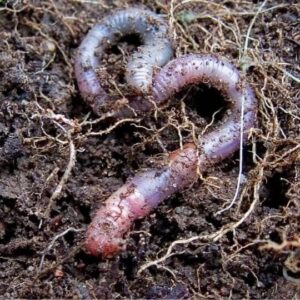
Soil – It’s Alive!
In a sequence of 3 activities, learn about earthworms and other organisms that live in soil. Learn how these organisms make nutrients that plants need to grow.
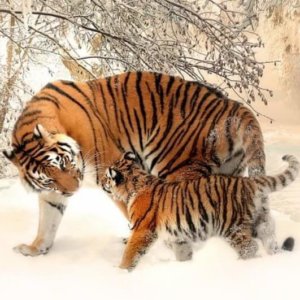
All About Animals
In a sequence of 3 activities, learn about the life cycle of animals and about animal camouflage. Learn a cool way to find out what some predatory birds eat.
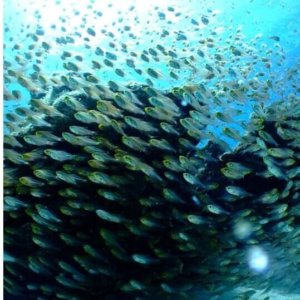
Changing Populations
Three activities explore why populations of organisms grow or shrink. Learn how a population can be affected by an invasive species or human activities like fishing.
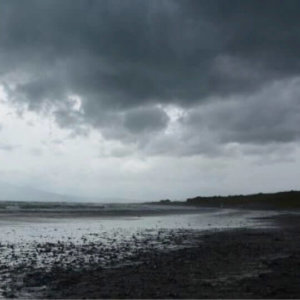
Weather
In this sequence of 4 activities, learn how weather is affected by: (1) temperature and moisture, (2) geology, (3) barometric pressure, and (4) location.

Our Environment
Four activities explore challenges to our environment: (1) plastic in the oceans, (2) carbon dioxide in the atmosphere, (3) electronic waste and, (4) oil spills.
Celestial Objects
In this sequence: (1) Explore our solar system. (2) Examine phases of the moon. (3) Study stars beyond our sun.

Physical & Chemical Properties
In this sequence of 3 activities, first design ways to separate household materials. Then, observe chemical reactions using small amounts of cooking ingredients and by baking cookies.
Electricity & Circuits
In 3 activities: (1) Explore the difference between electrical conductors and insulators. (2) Find out how electricity and magnetism are related. (3) For an extra challenge, learn about series and parallel circuits.
Think Like an Engineer
In a sequence of 3 activities, learn how engineers solve problems. Design a building. Make and improve a simple parachute. Build a paper bridge and find its flaws.

Codes & Coding
In this sequence: (1) Learn the “language” of computers (binary code). (2) Learn how computers make decisions. (3) Find out how information is protected (kept secret) on the internet and then make your own secret messages.

Who Was at the Crime Scene?
How can people be identified on surveillance videos? Can fingerprints or hair be used to identify people? Find out in this sequence of 3 activities.
— Plant Functions —

1. Photosynthesis
How do plants make their own food? Learn all about photosynthesis and watch a blade of grass release oxygen gas as it photosynthesizes!
2. Transpiration
Along with photosynthesis, plants can “sweat” through a process called transpiration. Observe this process in whatever plants are around you, and experiment with factors that affect it!

3. Plants
What is the job of a flower? What are the parts of a flower that help it do its job? Find flowers outside or at home to study and compare!
Extra: STEM Chat – Tapping Into Trees
In this video, scientists Zachary and Edmarie discuss the science of syrup, from maple tree to breakfast table.
— Soil – It’s Alive! —

1. Food Webs
What role does a decomposer have in a Food Web? Learn about decomposers and make a Soda Bottle Compost.
2. Earthworms
Learn about earthworms by completing a virtual dissection. Understand how they are essential in keeping soils healthy.

3. Soil Nutrients
Learn about all the crazy organisms that live in the soil. Then grab your shovel and go see which ones you can find in your backyard!
— All About Animals —
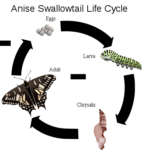
1. Life Cycles
Explore the life cycles of living organisms and make your own life cycle wheel.

2. Camouflage and Mimicry
How do animals use camouflage and mimicry to avoid predators and capture their prey? Learn about some cool animal mimics, go on a quest to spot hiding animals, and finally play a game to see how effective even simple color camouflage can be.

3. Owl Pellets
Dissect a virtual owl pellet and learn about the unique adaptations that helps the owl be a successful, stealthy predator.
Extra: Observing Cats
Join scientist Esther as she finds out how much her cats sleep each day!
— Changing Populations —

1. Population Changes
Learn about how populations change over time. Play a game in which you simulate population changes in snakes and hawks in a National Park.

2. Invasive Species
What makes a species “invasive”? Learn how these organisms can disrupt an ecosystem and play an “invasive species” game to explore how this happens!

3. Sustainability
Learn about the tragedy of the commons and how to avoid it. Play an online fishing game that allows you to create a sustainable situation for you and your fellow fisher folk.
— Weather —

1. Weather Basics
Learn how clouds form and the role temperature and moisture have in precipitation.

2. Rain Shadow Effect
Learn how the geology of a region affects the biosphere. Build your own self-contained Ecosystem.

3. Meteorology and Weather
How do meteorologists predict the weather? Make a barometer and see if you can predict the next rainy day.

4. World’s Weather
Learn about how the location of a city determines the seasons. Explore cities in both hemispheres for their weather patterns on The Weather Channel.
— Our Environment —

1. Plastic in the Ocean
Create your own model of plastics in an ocean after learning how plastic ends up in the ocean and why it’s a huge problem.

2. Carbon Footprints
Learn about what a carbon footprint is and how you can reduce yours! Play an online game where you have to prevent the release of too much CO2 into our atmosphere. Then take a survey to determine your own carbon footprint!
3. e-Waste
Learn about the global problem of e-waste and examine e-waste from your own home to find out what materials it contains. Get inspired to check out a resource for responsible recycling near you!

4. Oil Spills
Learn about the environmental impacts of Oil Spills and how engineers are cleaning them up. Then use vegetable oil and common household items to try out three clean up techniques yourself. Which do you like best?
— Celestial Objects —

1. Solar System
Learn about the planets in our solar system while using different scales (km, buses, and whales?!) and researching cool facts about each planet!
2. Celestial Mechanics
Learn about the phases of the Moon. Search for the moon phase from the day you were born and many other days.

3. Stars
Learn about different types of stars and then play a game and become a black hole, learn about the stars in your sky tonight, or pick a date and time with a sky simulator; or all three.
Extra: More on Moon Phases
Are moon phases still confusing? Manipulate the location of the moon and watch the phase of the moon change in this PBS Learning Media simulation.
— Physical & Chemical Properties —

1. Separation of Substances
Separating mixtures of materials is important in the lab and in the recycling plant! Try three challenges, using physical properties of materials to separate mixtures.
2. Chemical Identification
Observe evidence of chemical changes, and try to figure out the difference between two common kitchen chemicals.

3. Chemical Reactions
Learn about chemical reactions, then experiment on a delicious reaction of your own by baking cookies!
— Electricity & Circuits —

1. Electrical Conductivity
What is electricity and how can we control it? Learn about electrical energy with a short video, then make your own conductivity meter and use it to compare the electrical conductivity of common household items.

2. Electromagnets
Build your own electromagnet at home and experiment with making it stronger and weaker. Learn about the relationship between electricity and magnetism!

3. Circuits
Want more of a challenge? Find out about series circuits and parallel circuits. Then practice building different circuits.
Extra: Build Circuits Virtually
Build series, parallel, and other circuits with this interactive from PhET Simulations.
— Think Like an Engineer —

1. Bridges
Learn about the engineering & design process used by all engineers, then test your engineering skills in a paper bridge design challenge!
2. Criteria and Constraints
Learn how engineers solve problems using criteria and constraints within their design process.
3. Engineering Redesign
Learn about engineering failures and how engineers use failures to improve their designs. Build a paper parachute and test your design.
Extra: STEM Chat -Engineering Organs
Engineers build many things, even artificial lungs! In this video scientist Cortney chats with biomedical engineer Jonathan about his work with building and testing synthetic organs.
— Codes & Coding —

1. Binary Code
Binary code is the “language” computers use to represent many types of data. In this activity, use binary code and the ASCII table to create wearable messages!
2. Conditionals in Code
Learn how to write and use conditional statements. Can you program a “self-driving car” to find its way through a maze?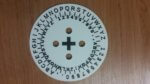
3. Cryptography
Learn about cryptography, and make your own Scytale cipher to send secret messages!
Extra: STEM Chat – Encryption!
In this video, scientists Esther and Thomas chat about data encryption and cybersecurity!
— Who Was at the Crime Scene? —

1. Biometrics
Facial recognition is one of many types of biometric identification used today. Devise your own set of facial recognition measurements, and try to identify people!

2. Fingerprinting
All fingerprints are unique! Take your own fingerprints and compare them to others then try your hand at fingerprint analysis!

3. Hair ID
Learn about hair ID and analysis in forensics. Then play an online forensic investigation game before searching for and analysing hair evidence in your own home!
Extra: Ask a Scientist – Forensics!
In this “Ask a Scientist” video, Andrew (a student from Minnesota) chats with Michelle (SfS Instructor & forensic scientist from Minnesota) all about forensic science!